
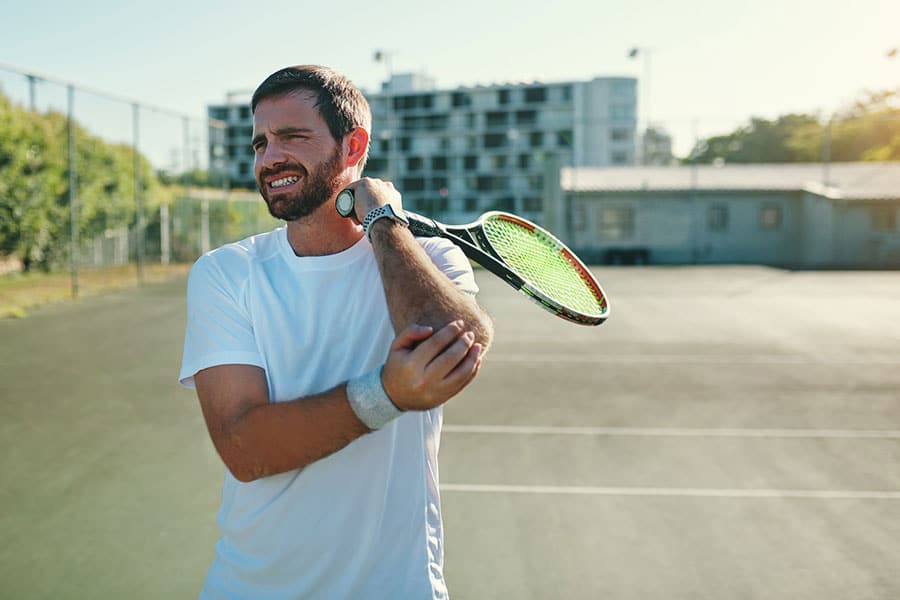
Elbow pain from repetitive movement is a common complaint that many active adults have. In fact, repeated strain on the elbow tendons can lead to irritation over time, whether you play racquet sports, lift weights, work with tools, or spend long hours at a computer. Two of the most common conditions are tennis elbow and golfer’s elbow.
Both conditions develop when the tendons that attach to the elbow become irritated from repeated stress. Golf elbow is less common than tennis elbow, affecting less than one percent of the population, while one to three percent suffer from tennis elbow. Nonetheless, both are painful overuse injuries that can last for several weeks to more than a year if untreated, although most recover with conservative care.
The good news is, these cases can be prevented, or at least managed early, with simple adjustments to activity, strength training, and recovery habits. Many patients who are looking to avoid surgery for extreme cases often turn to regenerative medicine in Michigan to help with symptoms for a less invasive approach. Here are some practical strategies active adults can use to help protect their elbows and maintain long-term joint health.
The Difference Between Tennis and Golfer’s Elbow
Not just golfers or tennis players can fall victim to these conditions. Indeed, they can affect anyone who performs repetitive arm and wrist movements.
- Tennis elbow: Often associated with activities like racquet sports, typing, or gripping tools, this condition affects the outer part of the elbow.
- Golfer’s elbow: Often developing from activities like golf swings, weightlifting, throwing sports, or manual labor, this condition affects the inner part of the elbow.
Both conditions involve small tears or irritation in the tendons that connect forearm muscles to the elbow.
Importance of Warm Ups Before Activity
Taking the time to warm up properly before exercise or sports is key. The light movement involved in warm-ups can increase blood flow to muscles and tendons, allowing them to handle stress more effectively. Just five minutes of preparation can reduce the risk of straining the tendons around the elbow.
Typical warm-ups include:
- Arm circles
- Wrist mobility exercises
- Light resistance band work
- Gentle forearm stretches
Strengthening the Forearm and Grip Muscles
Strong muscles help absorb stress that would otherwise place excessive strain on the tendons. To improve stability and endurance during activities that involve gripping or swinging, try these targeted strengthening exercises for the forearms and wrists:
- Wrist curls and reverse wrist curls
- Grip strengthening with a soft ball or hand trainer
- Resistance band wrist extensions
- Farmer’s carries with light weights
Using Proper Technique and Equipment
Poor technique or equipment can actually increase stress on the elbow.
- Proper racquet grip size in tennis or pickleball
- Correct lifting technique during weight training
- Ergonomic workstation setup for typing or computer work
- Appropriate tool grips for manual tasks
- Work with a coach, trainer, or therapist to refine technique
Getting the Rest and Recovery You Need
It’s important to give your body the time it needs to recuperate after intense activity, which helps to repair small stresses in tendons before they build up.
Be sure to:
- Alternate activities to avoid repeated strain
- Take short breaks during repetitive tasks
- Stretch forearms after activity
- Use ice after intense workouts if soreness occurs
Addressing Elbow Pain Early
As with any other type of injury, addressing the pain early on can help you avoid chronic pain or the need for more invasive measures. Mild discomfort in the elbow or forearm is an early sign that the tendons are under too much stress.
Be on the lookout for:
- Tenderness around the elbow
- Pain when gripping or lifting objects
- Reduced grip strength
- Forearm stiffness
With proper rest, activity modification, and supportive therapies, you can prevent the condition from worsening.
Consider Regenerative Medicine For Tendon Health
If you suffer from ongoing tendon irritation or injuries that have not improved with conservative care, regenerative medicine treatments in Michigan may be a good option.
Techniques such as Platelet-Rich Plasma Therapy (PRP) support the body’s natural healing processes, using components from your own blood to deliver concentrated growth factors to the injured tissue. Treatments like these are ideal for tendon injuries like tennis elbow and golfer’s elbow, as they encourage tissue repair and reduce inflammation naturally.
While not every case requires advanced treatment, you may consider regenerative approaches when symptoms persist despite rest, physical therapy, or other conservative measures.
Contact the Regenerative Medicine Institute of Michigan
To learn more about regenerative treatment options for elbow conditions, contact us today at (248) 771-1300.