
And How Regenerative Medicine Can Get You Back in the Game
Sports injuries affect everyone, from professional athletes to fitness enthusiasts to active individuals of all ages. Not all sports injuries stem from a sudden trauma or single action; many are caused by chronic overuse or repetitive strain. No matter what the cause, sports injuries can sideline athletes of all abilities for weeks or even months.
While traditional treatments focus on rest, pain medication, or surgery, regenerative sports medicine is designed to target healing at the source.
Here’s a look at the top five sports-related injuries our pain specialists in Michigan see, and how cutting-edge therapies such as Platelet-Rich Plasma (PRP) can help you recover faster and get back in the game.
1. ACL Sprains and Knee Ligament Injuries
ACL sprains and partial tears are among the most common injuries in sports that involve cutting, jumping, or rapid direction changes. These are often seen in sports like soccer, basketball, and football, leading to knee instability, swelling, and mobility-limiting pain.
Regenerative therapies such as PRP and stem cell therapy may reduce inflammation and stimulate tissue repair, thanks to the delivery of growth factors and healing cells directly to the injured area. Over time, this can strengthen the ligament and improve knee stability while avoiding the need for surgery in some cases.
2. Tennis Elbow
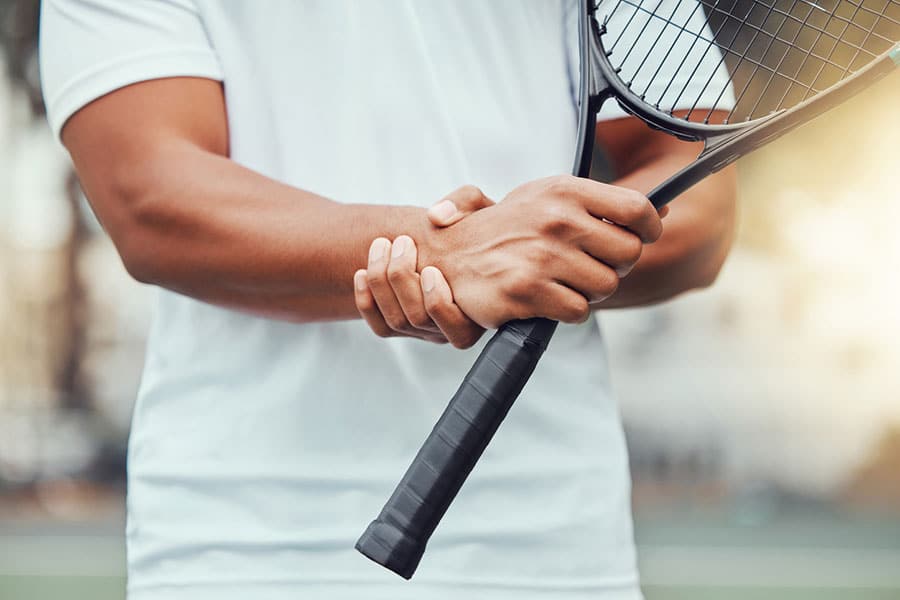
Tennis elbow affects tennis players, golfers, weightlifters, and anyone who performs repetitive arm movements. Micro-tears in the tendons that attach to the elbow can result in persistent pain and weakness. PRP therapy is especially effective for this condition, as it involves injecting concentrated platelets into the damaged tendon to promote collagen production and tendon repair. Long-term relief and improved grip strength are two of the main benefits of this approach.
3. Tendonitis and Tendon Tears
Tendonitis often appears in the Achilles tendon, patellar tendon, rotator cuff, and biceps as a result of repetitive stress. Inflammation and degeneration often result in injuries that are slow to heal.
Stem cell and PRP treatments can be used to enhance cellular repair and reduce chronic inflammation to not only improve tendon integrity but to restore normal movement as well.
4. Stress Fractures and Bone Injuries
Sometimes, repetitive impacts can overwhelm the bone’s ability to repair itself, leading to stress fractures. These types of injuries often occur in runners, gymnasts, and endurance athletes. Regenerative treatments can support bone healing through the stimulation of new tissue growth to not only accelerate recovery but reduce the risk of re-injury as well.
5. Muscle Strains and Soft Tissue Injuries
Athletes who rely on sprinting or explosive movements in their sports often suffer from hamstring pulls, groin strains, and calf injuries. Scar tissue and incomplete healing over time can pose a greater risk for recurring injuries. PRP injections in particular can encourage muscle fiber repair and reduce inflammation for faster healing and improved flexibility.
Why Are Athletes Turning to Regenerative Sports Medicine?
Pain relief is just one goal of regenerative sports medicine; however, the bigger goal is to restore function and performance so the athlete can return to sport faster and safer. Because regenerative therapies help athletes heal naturally, they experience less downtime and fewer side effects than surgery or long-term medication use.
Getting back in the game is made possible with regenerative sports medicine therapies that can make athletes stronger, healthier, and more confident as they take the field.
Contact the Regenerative Medicine Institute of Michigan
Don’t let a sports injury keep you on the sidelines. Contact us today at (248) 771-1300 to book a sports medicine consultation and learn how our treatments can reduce pain, speed recovery, and restore performance — no matter what sport you play.
By Regenerative Medicine Institute of Michigan
Board-certified Doctors – Aaron Greenberg, DO and Eduardo José Otero Loperena, MD